 Chuckanut Exterior
 Roof Repair Built for Columbia's Weather, Not a Generic Climate
The Columbia area sits close enough to the water that homes here deal with a mix most inland Whatcom County properties don't see as often: salt-laden air, wind-driven rain that gets pushed sideways under loose flashing, and a moss season that can run most of the year in shaded, north-facing sections of a roof. A repair that would hold up fine in a drier climate can fail within a season or two out here if it doesn't account for those conditions. That's the difference between a patch job and a proper repair — one is built to survive what the roof actually experiences, the other just covers the symptom for now.
We work on roofs in Columbia regularly, which means we're not guessing at how a given roof type handles this microclimate. We've seen where the moisture collects, which flashing details tend to fail first, and how fast moss reestablishes itself on shaded slopes near mature trees. That local pattern recognition matters as much as the repair technique itself.
Why This Climate Is Harder on Roofs Than It Looks
Salt Air and Metal Fatigue
Salt in the air accelerates corrosion on exposed fasteners, flashing, and metal roofing panels. Galvanized nails and lower-grade flashing can start rusting years before they would inland, and once a fastener corrodes, it loses its grip and the seal around it opens up. This is one of the most common root causes we find behind "mystery" leaks — the shingles look fine, but the metal underneath them isn't.
Driving Rain and Wind-Loaded Water
Storms coming off the water don't just drop rain straight down — they push it sideways and force it up under laps, around chimneys, and into any gap in the flashing. A roof that's watertight in a light, vertical rain can still leak in a wind-driven storm if the underlayment, ice-and-water shield, and flashing overlaps weren't installed with that in mind.
Moss and Sustained Moisture
Moss doesn't just look bad — it holds moisture against the roofing material, works its way under shingle edges as it grows, and can lift tabs enough to let water in during the next rain. In shaded or north-facing sections, moss can return within a year or two of cleaning if the underlying cause (overhanging branches, poor airflow, debris buildup) isn't addressed alongside the repair.
Signs a Columbia Roof Needs Repair
Most roof repairs start with a homeowner noticing one of the issues below. None of these mean the whole roof is failing — but all of them are worth a real inspection rather than a guess.
- A water stain on a ceiling or in the attic, even a small one — leaks travel before they show up directly under the source
- Granules collecting in gutters or at downspouts, a sign asphalt shingles are wearing thin
- Visible moss or dark streaking on north-facing or shaded slopes
- Lifted, curled, or missing shingles after a windstorm
- Rust staining or visibly corroded flashing around chimneys, vents, or valleys
- Daylight visible through the roof deck from inside the attic
- A spike in your energy bill with no other explanation — often a sign of attic moisture or ventilation issues tied to the roof
What a Correct Repair Actually Involves
A repair that's built for this climate goes further than swapping out the obviously damaged material. On most jobs we're addressing three layers, not just the surface:
1. The Roofing Material Itself
Replacing damaged shingles, panels, or tiles with matching material, properly fastened and sealed at the laps and edges.
2. The Underlayment and Flashing Beneath It
This is where wind-driven rain problems usually originate. We check the underlayment condition anywhere we've opened up the roof, and we pay close attention to flashing around chimneys, skylights, vent pipes, and valleys — these transition points are the most common failure spots in this climate, far more often than open field shingle.
3. The Cause, Not Just the Symptom
If moss caused the damage, we address drainage and airflow in that section, not just the shingles. If corrosion caused a fastener to fail, we don't reuse corroding hardware nearby — we replace it. A repair that ignores the cause is a repair you'll be paying for again in a year or two.
Our Repair Process
- Inspection and honest assessment. We get on the roof (or use a camera where access is limited) and document what we find, including areas that look fine now but are showing early wear.
- Straight answer on repair vs. replacement. If a repair is the right call, we tell you that. If the roof has multiple failure points suggesting it's near the end of its service life, we tell you that too — a patch on a roof that needs replacement soon isn't a good use of your money.
- Written scope and estimate before any work starts, so there's no ambiguity about what's being done.
- The repair itself, including matching materials as closely as possible and addressing flashing, underlayment, and the underlying cause.
- Cleanup and a final walk-through so you can see what was done before we call it finished.
Roofing Materials Common in Columbia and What Their Repairs Involve
| Material | Common Repair Needs Here | Climate Consideration |
|---|---|---|
| Asphalt composition shingle | Wind-lifted or missing tabs, granule loss, cracked seals | Sensitive to wind-driven rain if seal strips fail; moss lifts edges over time |
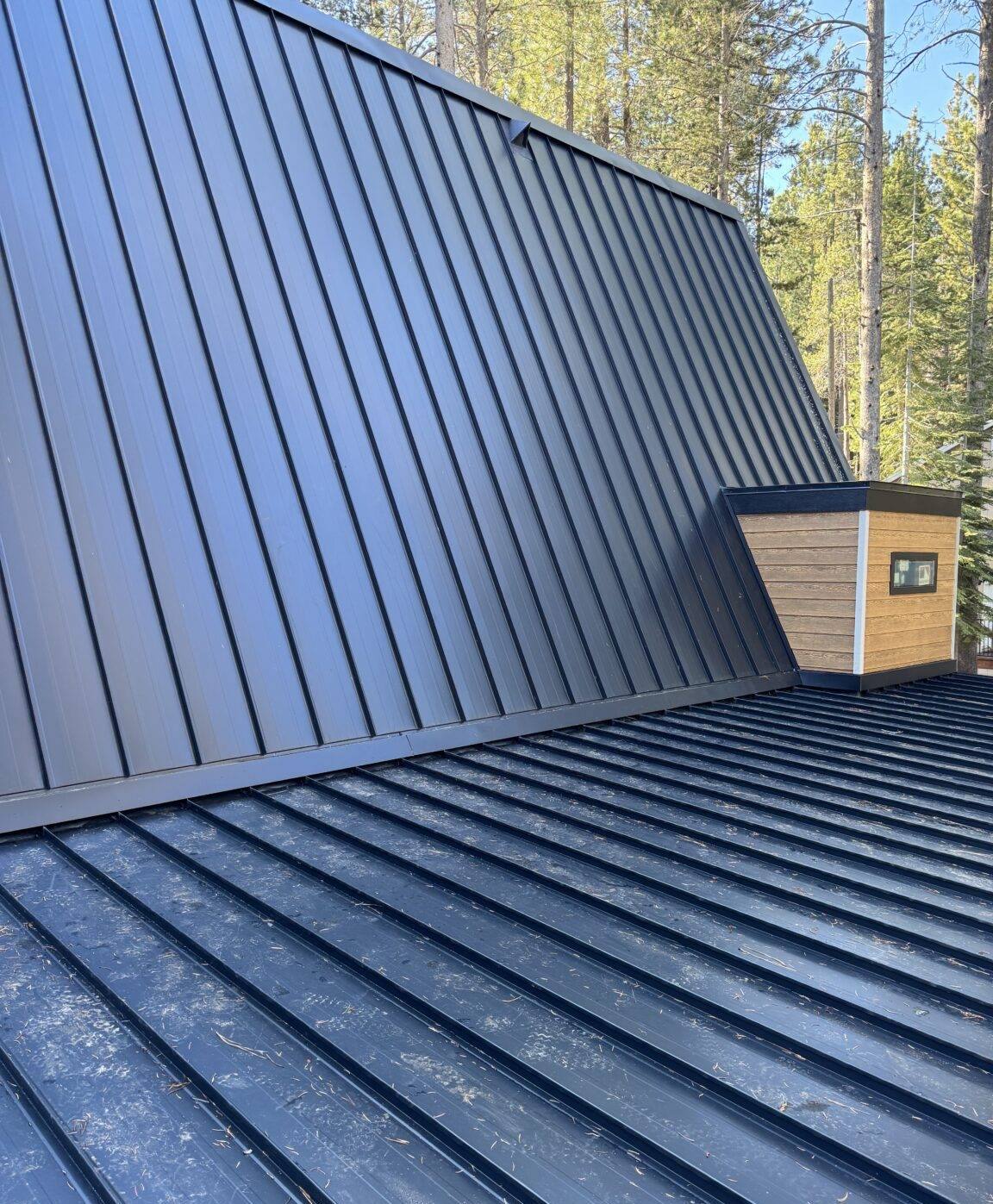
| Metal roofing/panels | Fastener corrosion, sealant failure at seams and penetrations | Salt air accelerates corrosion on lower-grade fasteners and flashing |
| Wood shake/shingle | Splitting, moss and moisture retention, granule/fiber breakdown | Highest moss and moisture sensitivity of common materials in this climate |
| Flat or low-slope membrane | Seam separation, ponding water, flashing pull-away | Driving rain and standing water both stress seams; needs correct slope and drainage |
Repair vs. Replacement: What Actually Drives the Decision
Homeowners often ask us to just give a number without discussing whether repair is even the right move. It usually comes down to a few factors:
| Factor | Leans Toward Repair | Leans Toward Replacement |
|---|---|---|
| Age of roof | Under roughly 60-70% of expected material lifespan | Near or past expected lifespan for the material |
| Extent of damage | Isolated to one section or a specific cause (storm, flashing failure) | Multiple sections showing wear, or damage traced to widespread underlayment failure |
| History of repairs | First or second repair on this roof | Repeated repairs to the same or nearby areas |
| Underlying deck condition | Solid, no rot or soft spots found during inspection | Soft decking, rot, or moisture damage found beneath the surface |
Exact repair costs depend heavily on the material, the pitch, access, and how much of the underlayment and decking needs attention once we open things up — so we avoid quoting a number before we've actually inspected the roof. What we can say honestly: a well-executed repair on a roof with a sound deck and no widespread underlayment failure is almost always the more cost-effective path, and we'll tell you plainly if that's not the case for your roof.
Why It Matters That We Already Work in Columbia
A repair crew that hasn't worked this specific area before is starting from zero on the details that actually matter — which flashing styles hold up against salt air locally, how aggressive the moss growth gets on shaded lots near the water, where wind-driven rain tends to find its way in on this coastline. We've built that knowledge from doing the work here, in Chuckanut and the surrounding Whatcom County area, not from a general training manual. That translates into fewer callbacks, because the repair accounts for the actual conditions the roof will face, not a generic version of "Pacific Northwest weather."
It also means we can move faster when something urgent comes up — a storm-related leak, a section of flashing that's come loose — because we're not unfamiliar with the area or scheduling a special trip from far outside it.
What to Ask Before Hiring Anyone for Roof Repair
- Are you licensed and insured to work in Washington State, and can you provide proof?
- Will you give a written scope of work before starting, not just a verbal estimate?
- Will you show me what you found during the inspection, including photos if possible?
- What's included in the repair — just the visible damage, or flashing and underlayment too?
- Do you use materials that match or are compatible with what's already on the roof?
- What's your honest opinion — repair or replace — and why?
Any contractor who's reluctant to answer these plainly is worth a second look before you sign anything.
Get a Straight Assessment for Your Columbia Roof
If you're dealing with a leak, storm damage, moss buildup, or just want an honest read on where your roof stands, we're glad to take a look. There's no pressure and no obligation — just a clear explanation of what we find and what it would take to fix it right. Use the form below to request a free estimate.